Which Souvenirs Will You Still Value After a Trip to Phuket?
Holiday shopping is easier when you know who a purchase is for and how it will be used at home. Among the many things to buy in Phuket, jewellery, textiles, small homewares and packaged foods can all make thoughtful choices. Their value depends less on how impressive they look in a display and more on quality, a clear description and whether they suit the person receiving them.
Ask for Evidence When Buying Pearls or Jewellery
Pearl jewellery can be a compact keepsake, but appearance alone is a limited basis for comparing prices. Ask whether the pearls are cultured, natural or imitation, what type they are and whether any treatments have been disclosed. “Real pearl” is too broad a description to tell you everything you need to know about a piece.
Look at the setting and fastening as carefully as the pearls. A pendant should have a practical chain length, while earrings need secure fittings and a metal composition suitable for the wearer. For a gift, an adjustable or uncomplicated design may be easier to choose than a ring that requires an exact size.
Request an itemised receipt and a written product description, particularly for a more expensive purchase. If an independent report is offered, establish what it covers and whether it refers to the actual item. Buying jewellery in Phuket does not automatically mean every component was produced on the island, so ask separately about origin if that matters to you.
Choose Textiles and Homewares for Everyday Use
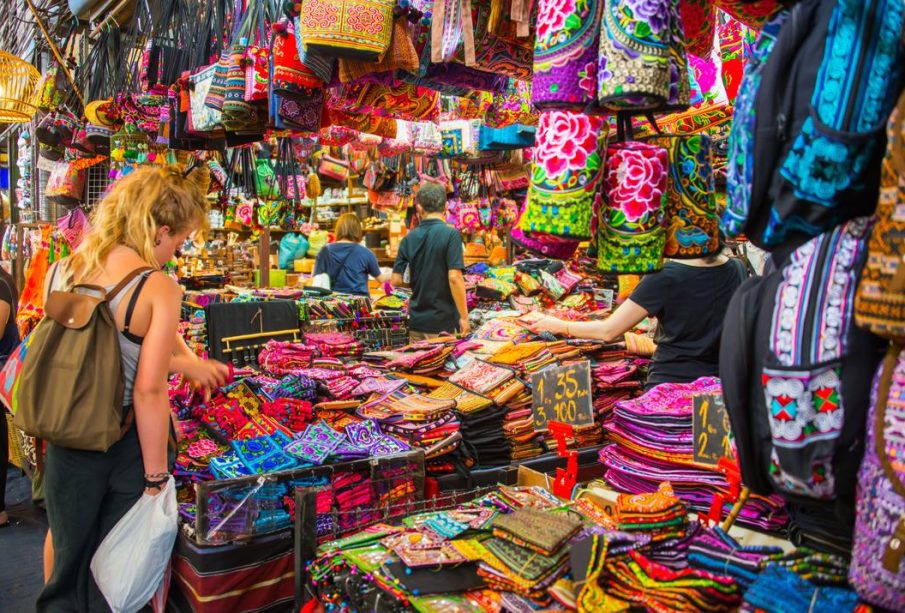
A scarf, batik textile or small ceramic piece can carry a memory of the trip without requiring much space. Begin with the recipient’s habits. Someone who enjoys cooking may appreciate a serving dish, while a person who travels lightly may get more use from a scarf than a decorative object.
Examine the practical details before paying. With textiles, check the fibre description, seams, edges and washing instructions. A silky feel does not establish that a fabric is silk. If local production is part of the appeal, ask where the cloth was made and where it was printed, dyed or sewn, as those may be different places.
For ceramics, inspect the rim, handle and base and ask whether the item is intended for food use or decoration. Confirm any dishwasher or microwave guidance rather than guessing from its appearance. A small piece you can protect properly may be a better choice than a large set that becomes difficult to carry.
Match Food Gifts to Taste and Travel Time
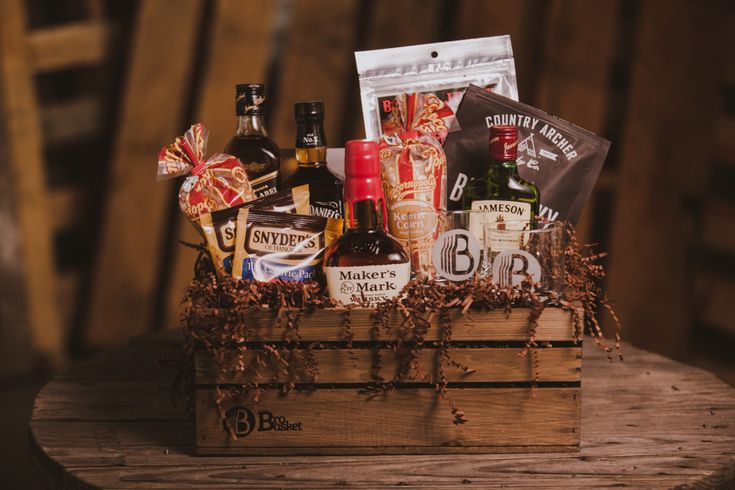
Packaged snacks, tea, coffee or cooking ingredients can suit people who would prefer something consumable. Consider their tastes before choosing unusual flavours, and check the ingredient list for allergens or dietary restrictions. Packaging that the recipient can read makes the gift easier to use after the holiday.
Check the seal, storage instructions and remaining shelf life. A product that needs refrigeration is a poor match for a long journey without suitable temperature control. Even shelf-stable food needs packaging that can withstand the trip, especially if it will be packed beside clothing or fragile items.
Avoid buying a large quantity simply because individual packets are inexpensive. Work out how many gifts you need and whether the contents can enter your destination country. A seller’s willingness to sell an item is not confirmation that you can take it across a border.
Include Packing and Import Requirements in the Decision
The purchase price is only part of the cost. Protective packaging, additional baggage or shipping can change whether an item is worthwhile, while returns may become impractical once you have left. Ask about these arrangements before committing and keep receipts and product descriptions somewhere accessible.
Give fragile purchases enough protection and allow space for them rather than planning to squeeze them into an already full case. For higher-value items, check the relevant baggage and insurance conditions. Avoid relying on a shop’s verbal assurance about cover or customs, since the applicable terms belong to the carrier, insurer and destination authorities.
For travellers returning to the UK, the government’s guidance on bringing goods home for personal use explains allowances and declarations; other travellers should check their own destination’s rules. With that practical side settled, choose a few well-described items that will be worn, used or enjoyed. A successful souvenir earns its place at home as well as recalling the trip.